

5 Foods You Need To Eat Daily For Better Brain Health And Focus
July 5, 2026
5 Nootropics to Increase Blood Flow to the Brain in 2026
July 29, 2026Most people buying nootropics for memory and focus are making their decisions based on celebrity endorsements, social media ads, or whatever product ranks first in a search result.
The supplement industry is heavily marketed and loosely regulated, which means the gap between what a product claims and what it actually delivers can be significant.
The difference between a nootropic that genuinely improves memory and focus and one that simply markets itself as doing so comes down to two things.
First, whether the ingredients target the right neurological pathways. Second, whether the doses in the formula match what was actually used in clinical research.
A product can contain the right ingredient at a dose so low it produces no measurable effect. That distinction matters, and most supplement reviews never address it.
This ranking is based on exactly those criteria. These are the 5 best nootropic supplements available in 2026 for memory and focus, evaluated on the quality of their formulas, the transparency of their dosing, and the strength of the clinical evidence behind them.
1. Mind Lab Pro
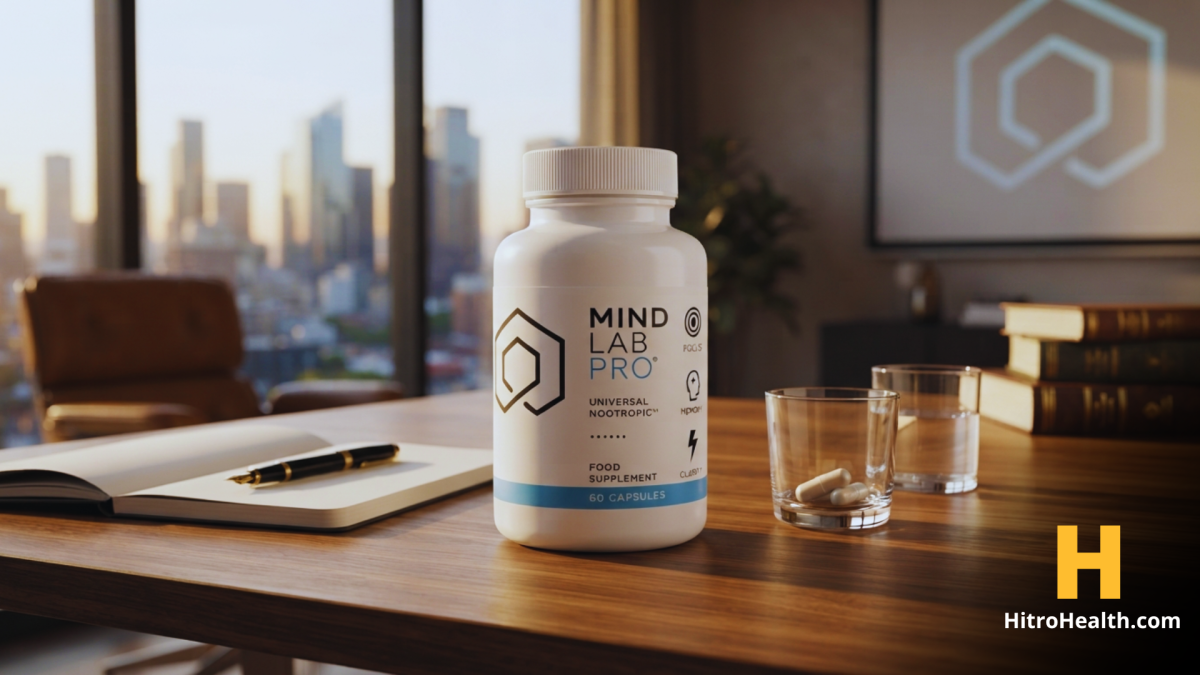
Mind Lab Pro sits at the top of this list for a reason that separates it from almost every other nootropic on the market. It is one of the very few supplements in this category with multiple placebo-controlled human clinical trials conducted on the actual finished formula, not just on individual ingredients in isolation.
Those studies, conducted at the University of Leeds, found improvements in information processing speed and several distinct memory domains, including auditory memory, visual memory, and working memory. These are not vague cognitive claims. They are the exact outcomes most people buying a nootropic for memory and focus are actually trying to achieve, measured in a controlled clinical setting using the finished product itself.
The formula contains 11 ingredients, all directly relevant to memory and focus, and every single one is disclosed with an exact dose on the label. There are no proprietary blends and no hidden amounts.
Citicoline at 250 milligrams is the first standout ingredient. Citicoline feeds the acetylcholine pathway most directly responsible for attention and memory formation. Acetylcholine is the neurotransmitter your brain depends on most heavily for learning and recall, and citicoline provides the choline the brain needs to produce it.
Phosphatidylserine at 100 milligrams supports the structural health of neural membranes, directly affecting how efficiently memory signals travel between neurons. This is one of the most consistently researched nootropic ingredients and one of the few to have received a qualified health claim from the FDA related to cognitive function.
Bacopa monnieri standardized extract targets memory consolidation, which is the process of converting short-term information into long-term retrievable memories. This is where many people experience their most frustrating cognitive gaps, reading or learning something and finding it simply does not stick.
Lion’s mane mushroom at 500 milligrams stimulates nerve growth factor, supporting the neural repair and maintenance that keeps memory sharp over time. N-acetyl L-tyrosine at 175 milligrams supports dopamine production, the neurotransmitter most directly tied to sustained focus under cognitive pressure.
The remaining six ingredients work across complementary pathways including brain energy, cerebral blood flow, and stress resilience, rounding out a formula that addresses memory and focus from multiple biological angles simultaneously.
The formula is stimulant-free, vegan, and manufactured to GMP standards. For anyone serious about improving memory and focus over weeks and months rather than looking for a short term stimulant hit, Mind Lab Pro is the most comprehensively evidence-backed option on this list.
2. NooCube
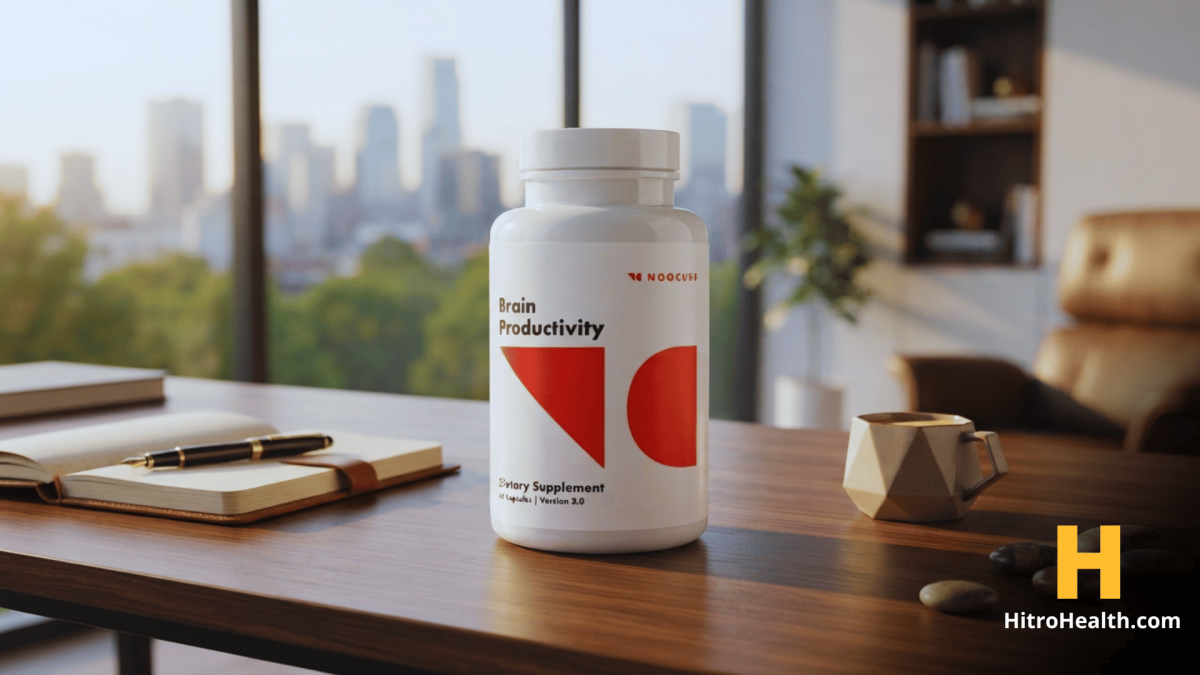
NooCube earns its place at number two for a combination of reasons that become clear when you look past the marketing and into the formula itself.
Every ingredient is disclosed with an exact dose on the label. No proprietary blends, no hidden amounts. Each ingredient targets either memory consolidation, sustained attention, or the neurochemical systems that both depend on. That level of formula transparency is not universal in this category and it matters when you are trying to assess whether a product is actually delivering clinically relevant doses.
What makes NooCube particularly compelling for memory and focus is its inclusion of Lutemax 2020, a patented blend of three macular carotenoids. A study published in the journal Physiology and Behavior followed 59 healthy adults aged 18 to 25 for six months.
At the six-month mark, the Lutemax group showed improvements in composite memory, verbal memory, sustained attention, and processing speed compared to the placebo group.
These are direct memory and focus outcomes measured in a controlled clinical setting on a specific ingredient included in the NooCube formula.
The rest of the formula reinforces those benefits directly. Bacopa monnieri at 250 milligrams targets memory consolidation and long-term recall, addressing one of the most common cognitive complaints people turn to nootropics for. VitaCholine at 250 milligrams feeds the acetylcholine pathway that memory formation and sustained attention both run on.
L-theanine at 100 milligrams promotes the calm, focused mental state that allows for deeper concentration without overstimulation. This is an important distinction from caffeine-based focus products that produce alertness at the cost of anxiety or restlessness. L-theanine delivers focus without that edge.
L-tyrosine at 250 milligrams supports dopamine production, keeping focus steady under pressure and sustained cognitive demand. Dopamine is not just the motivation and reward chemical people often describe it as. It is directly involved in working memory and executive function, the cognitive tools you rely on most heavily under mental load.
The formula is stimulant free, caffeine free, and suitable for vegetarians. It requires just two capsules per day with no cycling protocol, which makes maintaining the consistency that nootropics need to produce their full effect considerably easier over weeks and months.
3. Qualia Mind
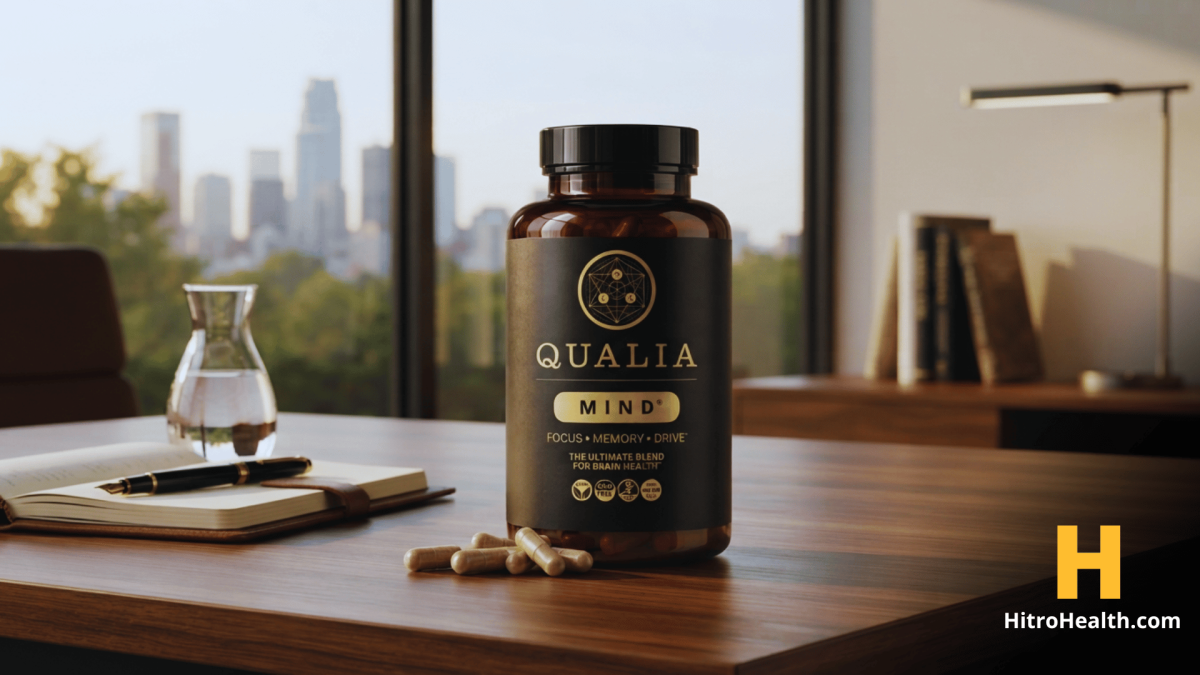
Qualia Mind takes one of the most ambitious and comprehensive approaches to nootropic formulation available. The formula features 32 ingredients spanning vitamins, amino acids, herbal extracts, adaptogens, and choline donors, all intended to support multiple cognitive pathways simultaneously.
Several ingredients are dosed at or above the levels used in clinical research. Rhodiola rosea is standardized to the 3 percent rosavins and 1 percent salidrosides ratio most commonly used in adaptogen studies, ensuring the active compounds are present at a meaningful concentration rather than just appearing on the label for marketing purposes.
Citicoline, N-acetyl L-tyrosine, Alpha-GPC, and phosphatidylserine are all provided at transparent, meaningful dosages.
The formula also includes algal DHA, which is the omega-3 fatty acid your brain uses most heavily for structural maintenance and synaptic efficiency. Acetyl-L-carnitine and L-theanine round out a formula that offers considerably broader coverage across brain energy, membrane health, and neurotransmitter support than most products in this category.
Qualia Mind is vegan, non-GMO, gluten free, and manufactured in GMP certified facilities in the United States.
For anyone seeking a broad-spectrum formula that targets as many cognitive pathways as possible in a single daily supplement, it is a serious option worth considering.
The one practical consideration that sets Qualia Mind apart from the other products on this list is its usage protocol.
It requires up to six capsules per day taken in the morning, and the brand recommends cycling it five days on and two days off each week rather than taking it daily.
For people who prefer a simple, consistent daily routine, that is worth factoring into your decision.
Both Mind Lab Pro and NooCube require just two capsules per day with no cycling, which makes daily consistency considerably more straightforward over the weeks and months that nootropics need to build their full effect.
4. Vyvamind
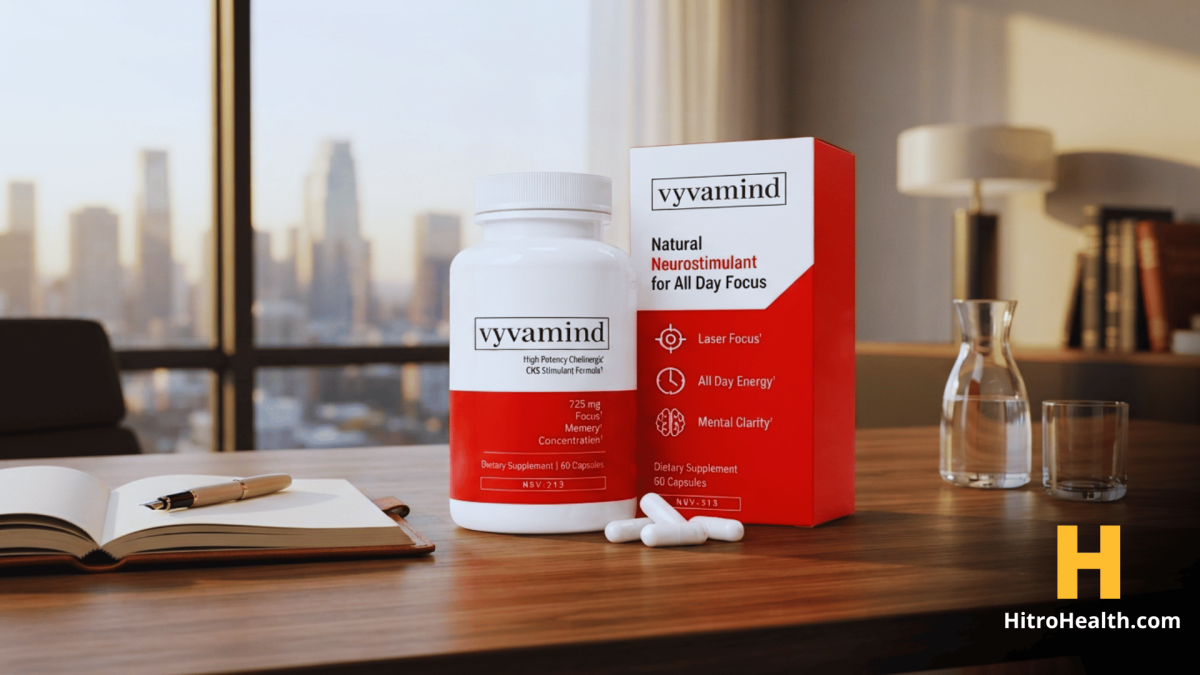
Vyvamind takes a deliberately minimal approach to nootropic formulation, built around six transparently dosed ingredients with no proprietary blends and no hidden amounts.
Where Qualia Mind goes broad, Vyvamind goes precise, targeting a small number of high-impact neurological pathways with clean, well researched ingredients.
The core of the formula addresses two of the most direct neurological pathways behind memory and focus. Citicoline at 200 milligrams feeds the acetylcholine system that memory formation and sustained attention both depend on. L-tyrosine at 300 milligrams supports dopamine production, maintaining focus under pressure and sustained cognitive demand.
L-theanine at 150 milligrams promotes the calm, focused mental state that deeper concentration requires without the overstimulation that can come from stimulant-only products.
Vyvamind is the only product on this list that contains a stimulant. The formula includes 75 milligrams of caffeine anhydrous, paired with the L-theanine at roughly a 2 to 1 ratio.
This combination is one of the most consistently supported pairings in cognitive research for improving alertness and attentional switching. The theanine modulates the caffeine effect, reducing the jittery, anxious edge that caffeine alone tends to produce while preserving and in some cases enhancing its focus-promoting properties.
This makes Vyvamind a particularly relevant option for people who want a clean, focused version of their morning caffeine hit rather than a separate nootropic stack to manage alongside it. If you are sensitive to caffeine, prefer to manage your caffeine intake independently, or consume caffeine through other sources throughout the day, that is an important practical consideration before choosing this product.
The formula is completed with vitamin B6 and B12, both of which support neurotransmitter synthesis and neural signaling efficiency.
B12 in particular is essential for maintaining the protective myelin sheath around nerve fibers, keeping neural signals traveling at full speed.
5. Alpha Brain
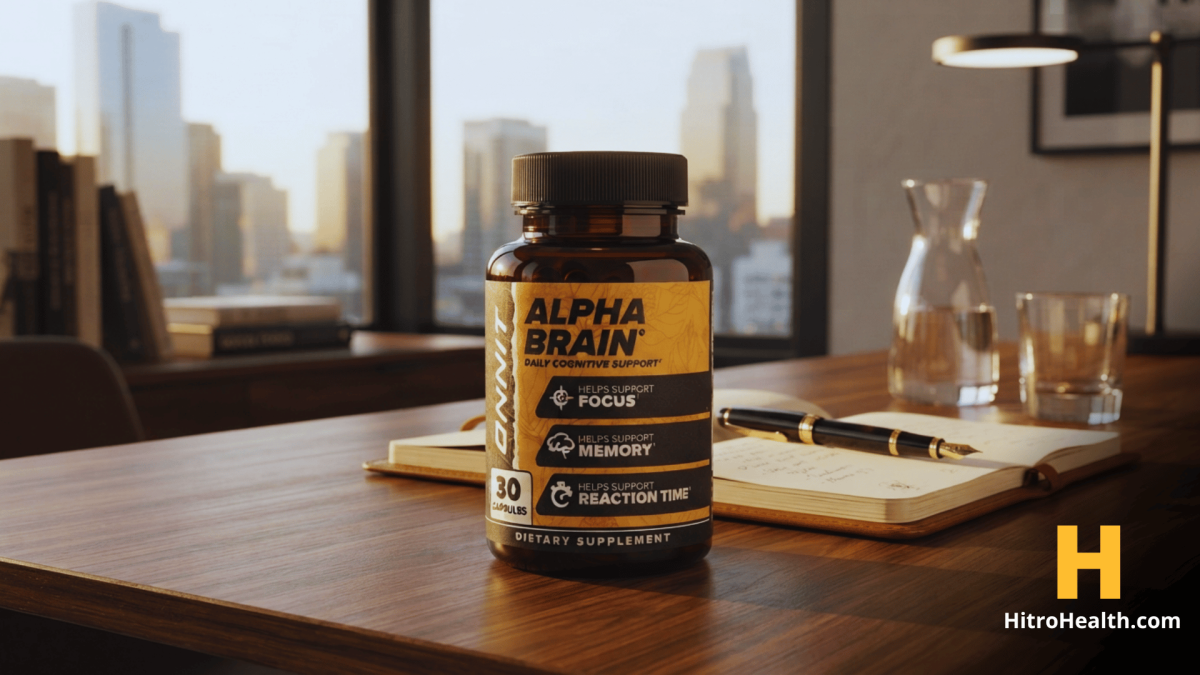
Alpha Brain by Onnit is one of the longest running and most widely recognized nootropic products specifically marketed for memory and focus.
Its longevity in a market where products come and go quickly is partly a function of its marketing budget and celebrity association, but the formula itself contains several genuinely relevant ingredients.
Bacopa monnieri targets memory consolidation and long term recall. Alpha-GPC and Huperzine A work together on the acetylcholine pathway, with Alpha-GPC providing choline for acetylcholine production and Huperzine A inhibiting the enzyme that breaks acetylcholine down.
The combined effect is more acetylcholine staying active for longer in the synapses involved in memory and attention.
Phosphatidylserine supports the structural integrity of neural membranes in memory critical brain regions. L-theanine promotes the calm, focused mental state that sustained attention requires without overstimulation.
Alpha Brain is also one of the few products in this category with a clinical trial conducted on the finished formula rather than on individual ingredients alone, which serves as a genuine differentiator in a market where most brands rely entirely on ingredient-level research to support their product-level claims.
The formula is stimulant free, making it a suitable option for people who are sensitive to stimulants or who prefer to manage their caffeine intake independently from their cognitive supplement stack.
However, there is one significant consideration that places Alpha Brain at the bottom of this list rather than higher up.
Alpha Brain uses proprietary blends, meaning the individual dose of each ingredient is not disclosed on the label.
For memory specific ingredients like Bacopa monnieri, where the effective dose is well established in the research at 300 milligrams, the absence of transparency makes it impossible to assess from the label alone whether the amounts provided align with what the clinical evidence actually supports.
For buyers who prioritize knowing exactly what they are taking and at what dose alongside their cognitive goals, that is a meaningful limitation worth weighing seriously against the product’s other strengths.
What to Look For When Choosing a Nootropic
Before spending money on any cognitive supplement, there are a few criteria worth applying consistently.
Transparent labeling matters. If a product uses a proprietary blend that hides individual ingredient doses, you cannot assess whether you are getting a clinically meaningful amount of any given compound. Full label transparency is a baseline standard the best products in this category meet.
Dose relevance matters. An ingredient can be included at a dose so low it produces no measurable effect. Always check whether the dose in the product aligns with what was used in the studies that established the ingredient’s effectiveness.
Human clinical evidence matters. Ingredient-level research is meaningful but it is not the same as a trial conducted on the finished formula. Products with clinical trials on their actual formulas carry a higher standard of evidence.
Consistency matters most of all. Nootropics are not acute stimulants. The research behind ingredients like Bacopa monnieri, phosphatidylserine, and lion’s mane measures effects over weeks and months of consistent daily use.
Whatever product you choose, the variable that determines whether it works for you more than any other is whether you take it consistently over long enough to give it a real opportunity to produce results.