

What Happens to Your Brain When You Eat Dark Chocolate Every Day for 30 Days (Science-Backed)
July 2, 2026
Top 5 Nootropic Supplements to Improve Memory and Focus in 2026
July 17, 2026Most people want better focus.
Most people deal with brain fog at some point during the day.
And most people have no idea that what they eat is one of the most direct levers they have on how clearly their brain actually functions.
This is not a list of trendy superfoods.
These five foods have real peer reviewed evidence behind what they do inside your brain, broken down by mechanism so you understand not just what to eat but why it matters at the neurological level.
1. Fatty Fish

Sixty percent of your brain is fat. The most abundant fat in brain tissue is a specific omega-3 fatty acid called DHA, and your body cannot produce it in meaningful quantities on its own. You have to get it from food.
Cold water fatty fish, including salmon, sardines, mackerel, and herring, are the most concentrated dietary sources of DHA and EPA, the two omega-3 fatty acids your brain depends on most. These are not interchangeable with plant-based omega-3 sources.
ALA, the omega-3 found in flaxseeds and walnuts, converts to DHA at a rate of only around one to five percent in the body.
If you are relying on plant sources alone for your omega-3 intake, your brain is likely not getting the DHA it needs in the amounts the research supports.
A 2022 study published in the journal Neurology, drawing on data from over 2,000 participants in the Framingham Heart Study with a mean age of 46, found that higher omega-3 levels in red blood cells were associated with better brain structure on MRI scans and better abstract reasoning scores.
The association included larger hippocampal volume, the memory-forming region of the brain, in those with higher DHA levels. This was not a short-term intervention study. This was structural brain data showing measurable differences based on long-term omega-3 status.
DHA is used directly in the construction and maintenance of neuronal membranes. When it is present in adequate amounts, synaptic signaling is more efficient and neural communication is faster.
When it is chronically low, inflammation increases, neural communication slows, and cognitive performance follows predictably.
Two to three servings of fatty fish per week is the intake level most consistently associated with brain health benefits in the research.
Sardines and mackerel are particularly practical options because they are inexpensive, shelf-stable in tinned form, and contain some of the highest concentrations of DHA and EPA per gram of any fish available.
2. Blueberries
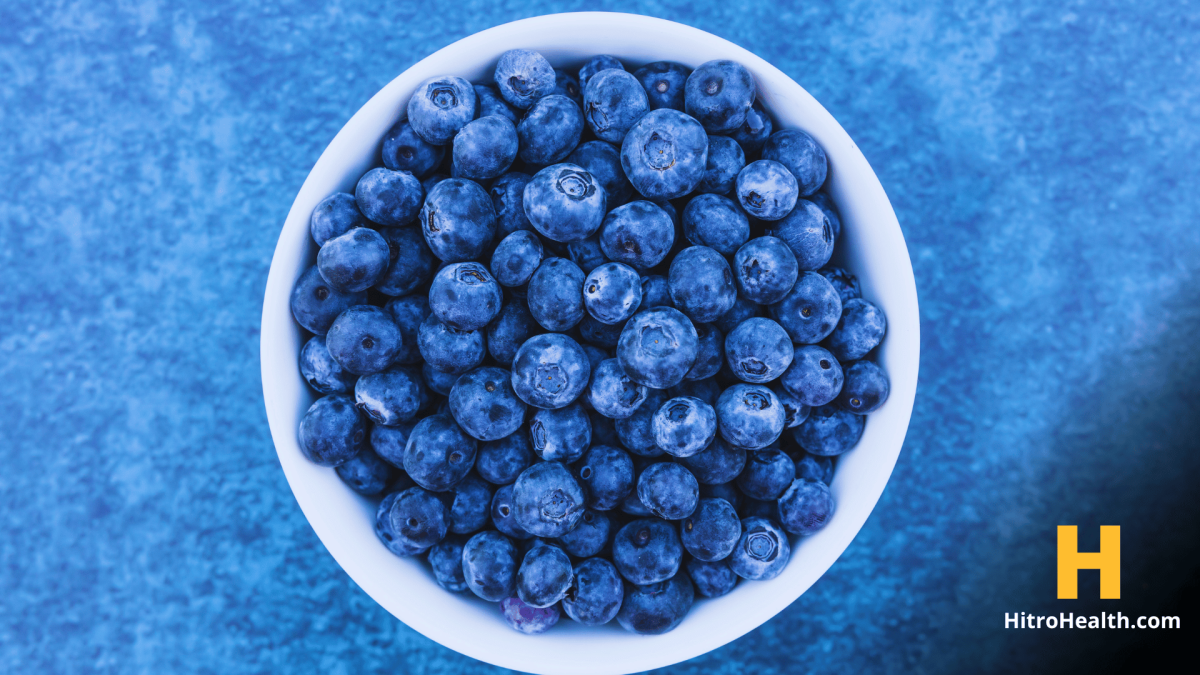
Blueberries contain a class of compounds called anthocyanins, which are the pigments responsible for their deep blue purple color. These are not passive colorants. T
hey are absorbed into the bloodstream, cross the blood brain barrier, and concentrate in regions of the brain most associated with memory and learning, particularly the hippocampus and prefrontal cortex.
A 2023 study published in the American Journal of Clinical Nutrition followed 61 healthy older adults aged 65 to 80 for 12 weeks. Those consuming a daily equivalent of wild blueberry polyphenols showed measurable improvements in cognitive performance and vascular function compared to the placebo group.
The improvements were not marginal. They were statistically significant differences in objective cognitive measures between two groups whose only variable was blueberry polyphenol intake.
The second mechanism is neuroinflammation. When your microglia, your brain’s dedicated immune cells, stay chronically activated from poor sleep, processed sugars, or ongoing stress, they release inflammatory cytokines that slow neural processing and interfere with how your neurons communicate.
Blueberry anthocyanins help modulate that activation. They do not eliminate neuroinflammation caused by a poor overall lifestyle, but they contribute meaningfully to reducing the background inflammatory load your brain is operating under.
A daily serving of around 150 grams of fresh blueberries, or an equivalent amount of frozen, delivers a meaningful anthocyanin dose.
Frozen blueberries are worth highlighting here because they retain their polyphenol content well through freezing and are a considerably more practical and affordable option for daily consistency than fresh blueberries.
If cost or availability is a barrier, frozen is not a compromise. It is an equally valid choice supported by the nutritional data.
3. Walnuts
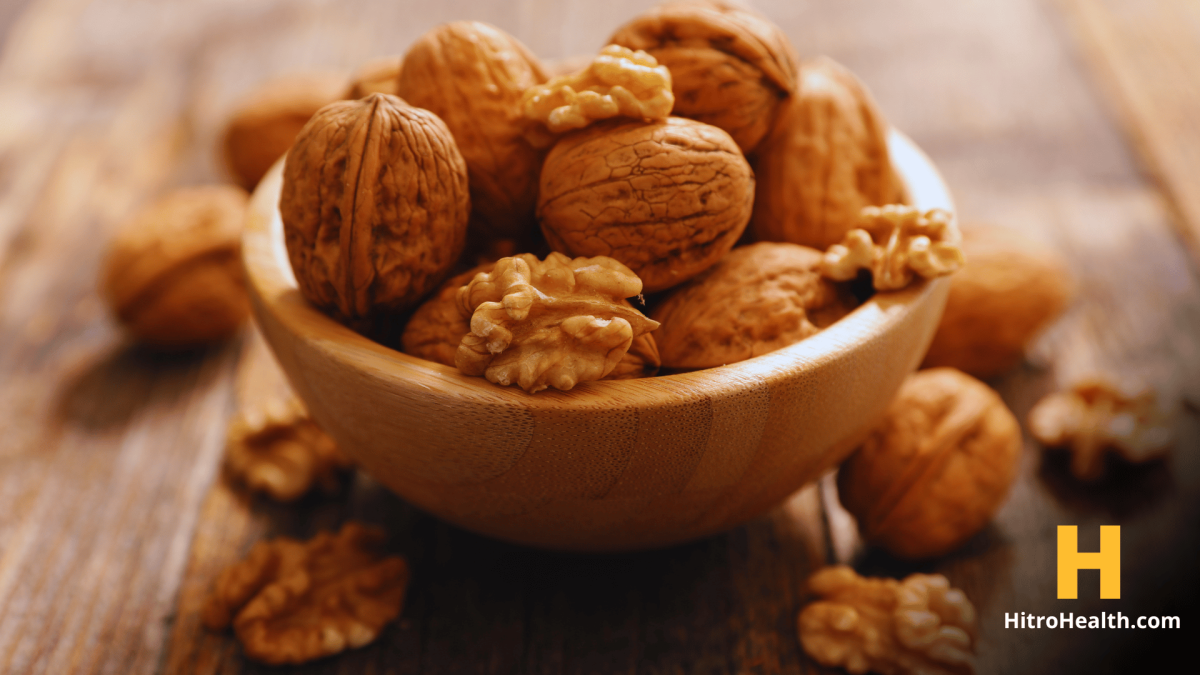
Walnuts are the only nut that contains meaningful amounts of ALA, the plant-based omega-3 fatty acid, alongside significant levels of vitamin E, polyphenols, and folate.
That combination matters because each of these compounds interacts with different aspects of brain function, from membrane integrity to antioxidant defense to neurotransmitter synthesis. No other nut delivers all of them together in a single food.
Research consistently links higher walnut consumption to better cognitive outcomes across age groups.
A 2020 study published in the American Journal of Clinical Nutrition followed 708 cognitively healthy adults aged 63 to 79 for two years and found that walnut supplementation slowed cognitive decline in adults with lower baseline cognitive scores. Brain MRI data from the study showed structural differences in the walnut group compared to controls, which is a meaningful finding because it points to changes at the level of brain tissue, not just self-reported cognitive symptoms.
The vitamin E in walnuts deserves particular attention because it is one of the primary fat soluble antioxidants that protect neuronal membranes from oxidative damage. Given that your brain is 60 percent fat, and fat is particularly vulnerable to oxidative stress, consistent vitamin E intake from whole food sources has real implications for long term brain health.
A daily portion of 28 to 30 grams, which is roughly a small handful, delivers the nutritional profile used in the research.
Walnuts do not need to be eaten in isolation or at a specific time. Adding them to breakfast, incorporating them into salads, or eating them as a mid-morning snack are all equally practical and effective ways to maintain the consistency that the research supports.
4. Turmeric

Turmeric’s active compound is curcumin, and curcumin has a well-documented absorption problem that most articles covering this topic completely overlook.
Standard turmeric powder in cooking delivers very little curcumin to the bloodstream or the brain. Without specific preparation or formulation, most of it passes through your digestive system without being absorbed in meaningful quantities.
This is important context for evaluating the research, because the studies showing cognitive benefits did not use a pinch of turmeric stirred into warm water.
A 2018 study published in the American Journal of Geriatric Psychiatry followed 40 non-demented adults over 18 months and found that a bioavailable form of curcumin improved visual memory and attention. Brain imaging from the study showed reduced amyloid and tau accumulation in memory and mood-related regions of the brain. These are proteins associated with cognitive decline, and the imaging data added a structural dimension to what might otherwise be dismissed as subjective cognitive improvement.
The mechanisms behind this are curcumin’s ability to cross the blood brain barrier and inhibit inflammatory pathways directly in neural tissue, alongside its apparent capacity to support BDNF, your brain’s primary growth and repair signal. Low BDNF is consistently associated with cognitive decline, reduced neuroplasticity, and depressive symptoms.
To extract meaningful benefit from turmeric as a food rather than a supplement, two things need to happen. First, it should be consumed with black pepper, which contains piperine and increases curcumin absorption substantially, by some estimates up to 2,000 percent.
Second, it should be consumed with a fat source, since curcumin is fat-soluble and absorption improves significantly in the presence of dietary fat.
A turmeric based dish cooked in olive oil with black pepper is a practical daily application of this. For research level doses, a bioavailable supplement form is generally necessary, but consistent dietary turmeric prepared correctly is a meaningful starting point.
5. Eggs

Eggs are one of the most nutrient dense foods for brain health available at an ordinary grocery store, and most people eating them every morning have no idea what they are actually doing for their cognition.
The primary brain benefit comes from choline, a nutrient most people have never heard of and most people are not consuming in adequate amounts.
Choline is the raw material your brain uses to produce acetylcholine, the neurotransmitter most directly responsible for memory formation, learning speed, and sustained attention.
When choline intake is consistently low, acetylcholine production drops, neural signals slow, and you get that persistent feeling where information does not stick, where you read something and it is gone before it fully lands.
A 2011 study published in the American Journal of Clinical Nutrition, which followed 1,391 adults aged 36 to 83 from the Framingham Offspring Cohort, found that higher choline intake was significantly associated with better verbal and visual memory scores on objective cognitive tests. Two eggs provide roughly 250 to 300 milligrams of choline. Health authorities set the adequate daily intake at around 425 milligrams for women and 550 milligrams for men, meaning one meal gets you most of the way to the daily target from a single food source.
Beyond choline, eggs deliver a combination of additional brain relevant nutrients that is difficult to replicate from any other single food. Vitamin B12 maintains the protective myelin sheath around your nerve fibers, keeping neural signals traveling efficiently.
Lutein and zeaxanthin, the carotenoid antioxidants found in egg yolks, cross the blood brain barrier and accumulate in neural tissue over time, where they reduce neuroinflammation and support cognitive function. Tryptophan is the amino acid your brain converts into serotonin, your primary mood-stabilizing neurotransmitter.
That combination of choline, B12, lutein, zeaxanthin, and tryptophan in a single affordable food is genuinely rare.
One to two eggs per day is the intake level associated with cognitive benefits in the research.
Studies examining higher intake above that threshold showed inconsistent results, so more is not necessarily better here. Consistency at a moderate daily amount is what the evidence supports.
Conclusion
No single food is a complete brain health protocol, and none of these five work in isolation from everything else you are doing.
Poor sleep, chronic stress, a diet built around processed sugars and seed oils, and a sedentary lifestyle will all continue to drive the neuroinflammation and cognitive impairment that these foods work against.
What these five foods represent is a consistent, evidence backed dietary foundation for a brain that functions at its actual capacity.
Fatty fish for structural integrity and DHA. Blueberries for neuroinflammation and hippocampal blood flow. Walnuts for antioxidant defense and membrane maintenance. Turmeric for curcumin’s anti-inflammatory and BDNF-supporting effects. Eggs for choline, acetylcholine production, and the full suite of brain-relevant nutrients that come with them.
The research behind each of these is more specific and more compelling than the way brain food content usually gets covered. These are not foods that vaguely support wellness. They are foods with documented mechanisms of action inside the brain, at doses that are achievable through ordinary daily eating.
That is worth building a habit around.