

Top 5 Nootropic Supplements to Improve Memory and Focus in 2026
July 17, 2026
5 Best Nootropics for Studying in 2026
August 9, 2026Most people buying nootropics for brain blood flow are making their decisions based on whatever comes up first in a search result or whichever product has the most impressive looking label.
The supplement industry is crowded, and the marketing language used across most products in this category makes genuine evaluation difficult.
The difference between a formula that actually supports brain circulation and one that simply claims to comes down to two things. Whether the right ingredients are present, and whether the doses in the formula match what was used in the clinical research that established those ingredients as effective.
An ingredient included at a fraction of the studied dose is not delivering the benefit the research demonstrated. That distinction is rarely discussed, and it is the most important one to understand before spending money in this category.
Blood flow to the brain is not a fixed variable. It responds to what you supplement, how consistently you take it, and whether the ingredients you are consuming are dosed at levels the research actually supports. All five products on this list include at least one ingredient with a documented brain blood flow mechanism. This is how they rank, and why.
1. Mind Lab Pro
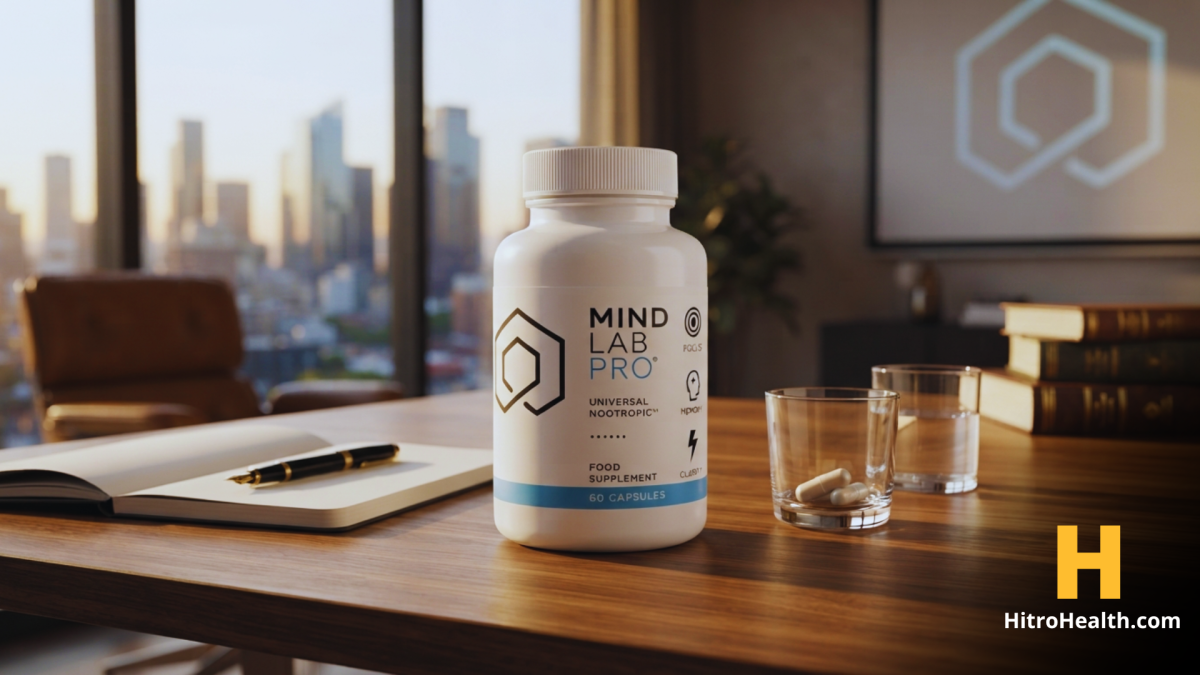
Mind Lab Pro sits at the top of this list because it targets brain blood flow through multiple distinct biological pathways simultaneously, making it the most comprehensive approach to brain perfusion available in a single stimulant free daily formula.
The primary blood flow driver in Mind Lab Pro is maritime pine bark extract, standardized to 95 percent proanthocyanidins at 75 milligrams.
Proanthocyanidins trigger the release of nitric oxide from the walls of blood vessels. Nitric oxide causes those vessels to relax and widen, directly increasing the volume of blood and oxygen reaching neural tissue. This is the same fundamental mechanism behind many cardiovascular medications, operating here through a well-studied natural compound at a meaningful dose.
A 2024 study published in the journal Nutrients examined 39 clinical trials involving over 2,000 people and found that maritime pine bark extract consistently improved blood circulation and the health of blood vessel walls across all the studies reviewed. That is one of the larger and more recent evidence bases for any single ingredient in the nootropic category, and it speaks to the consistency of the effect rather than a single isolated finding.
The formula also includes a bioavailable B vitamin complex, specifically B6, B9, and B12 in NutriGenesis form.
These three B vitamins support healthy homocysteine metabolism, and elevated homocysteine is one of the most well documented risk factors for poor brain blood flow and accelerated cognitive decline.
High homocysteine is associated with vascular inflammation and reduced cerebral perfusion, and it is a modifiable variable that responds directly to B vitamin intake. By addressing homocysteine through this B vitamin trio, Mind Lab Pro covers the vascular health side of brain blood flow that most nootropics overlook entirely.
Citicoline at 250 milligrams rounds out the blood flow support by enhancing brain energy metabolism and supporting the phospholipid membranes that line brain blood vessels.
Citicoline also feeds the acetylcholine pathway most directly responsible for memory and attention, meaning this single ingredient is contributing to both circulation and cognitive function simultaneously.
The remaining ingredients in the formula target complementary pathways including neural repair through lion’s mane mushroom, stress resilience through rhodiola rosea, and structural membrane health through phosphatidylserine. The result is a formula that addresses brain blood flow as part of a broader cognitive health picture rather than in isolation from it.
The formula is stimulant free, vegan, and manufactured to GMP standards. Two capsules per day with no cycling protocol required, which makes maintaining the daily consistency that nootropics need to produce their full effect straightforward over weeks and months of use.
For anyone who wants comprehensive brain blood flow support across multiple biological pathways in a single daily supplement, Mind Lab Pro is the most evidence-backed starting point on this list.
2. Vyvamind
Vyvamind earns its place at number two through a streamlined formula that directly supports brain blood flow and energy metabolism through one particularly well-researched key ingredient, citicoline, alongside a clean and well-constructed cognitive support stack.
Citicoline is included at 200 milligrams. When your body processes citicoline, it breaks it down into compounds your brain uses to produce acetylcholine, the neurotransmitter most directly responsible for memory and sustained attention, and to keep the structural membranes lining your brain’s blood vessels healthy and intact. Research consistently shows that citicoline at 250 to 500 milligrams daily supports healthy blood flow to the brain and optimizes regions associated with attention and working memory. Vyvamind’s 200 milligram dose falls slightly below the most heavily studied range, but it is meaningfully dosed compared to many products in this category that include citicoline as little more than a token ingredient at 50 milligrams or less.
The formula also includes vitamin B6 at 2.5 milligrams and vitamin B12 at 50 micrograms. These two B vitamins support the same homocysteine metabolism pathway addressed by Mind Lab Pro’s B vitamin complex, helping to maintain vascular health in the brain over time. It is a narrower coverage than the three-B-vitamin approach in Mind Lab Pro, but it addresses the same fundamental mechanism.
Where Vyvamind distinguishes itself most clearly from the other products on this list is in its stimulant stack. The formula includes 75 milligrams of caffeine anhydrous paired with L-theanine at 150 milligrams, which is approximately a 2 to 1 ratio of theanine to caffeine. This combination is one of the most consistently and thoroughly researched pairings in the cognitive supplement space. Caffeine sharpens alertness and attentional focus while L-theanine modulates the effect, reducing the jitteriness and anxiety that caffeine alone can produce in some people, and delivering a cleaner, steadier mental energy than caffeine taken in isolation.
L-tyrosine at 300 milligrams supports dopamine production, which keeps focus steady under pressure and sustained cognitive demand. Dopamine is directly involved in working memory and executive function, the cognitive tools most heavily relied upon during mentally demanding tasks.
It is important to note that Vyvamind is the only stimulant-containing product in the top two positions on this list. For anyone who is sensitive to caffeine, who already consumes significant amounts through other sources throughout the day, or who simply prefers a stimulant-free formula, Mind Lab Pro covers more of the brain blood flow pathways without caffeine and with a broader overall evidence base. For anyone who wants a streamlined, precise formula that combines citicoline-driven blood flow and vascular support with a well-researched stimulant stack, Vyvamind is a well-designed and practical option.
3. Hunter Focus
Hunter Focus earns its position at number three by combining two distinct blood flow supporting ingredients in a single formula, giving it a broader mechanistic reach in this specific area than products that rely on a single compound for circulation support.
The formula includes ginkgo biloba at 120 milligrams and maritime pine bark extract at 75 milligrams. These two ingredients support brain blood flow through related but distinct mechanisms. Pine bark extract works primarily through nitric oxide-mediated vasodilation, relaxing and widening blood vessels to increase perfusion. Ginkgo biloba works by improving blood viscosity and vessel flexibility, helping blood move more freely through cerebral circulation and reducing the tendency of blood cells to clump together in small vessels.
Ginkgo biloba at 120 milligrams sits at the lower end of the effective research range, which typically runs between 120 and 240 milligrams daily of standardized extract. It is a meaningful dose but not an aggressive one. The pine bark extract dose of 75 milligrams matches the level studied in cardiovascular and cognitive research and represents a solid inclusion for circulation support.
Hunter Focus also contains 100 milligrams of caffeine anhydrous. For users who prefer their nootropic and caffeine source combined in a single product and who respond well to stimulants, that is a practical consideration that makes the product function as a complete morning cognitive stack. For users who are sensitive to stimulants, who have already consumed caffeine earlier in the day, or who prefer a stimulant-free formula, Mind Lab Pro covers the same blood flow pathways with a broader overall mechanistic reach and without the caffeine component.
4. Nooceptin
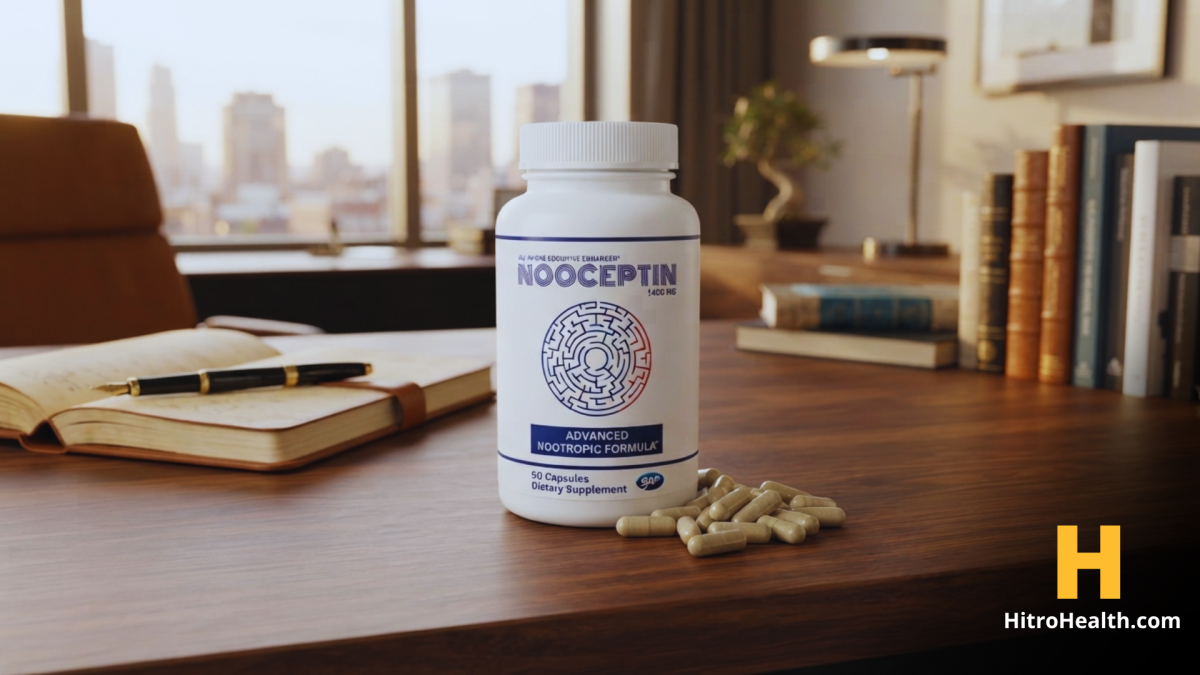
Nooceptin is a stimulant-free, caffeine-free formula built around seven transparently dosed ingredients, two of which directly target blood flow to the brain through complementary mechanisms.
Ginkgo biloba is included at 100 milligrams, which sits slightly below the 120 to 240 milligram range most commonly used in clinical research on this ingredient. It is a meaningful inclusion within a broader multi-ingredient formula, though buyers specifically prioritizing ginkgo as a primary blood flow driver may want to note that the dose falls below the most studied range.
Panax ginseng is included at 200 milligrams, a dose that falls within the range examined in research for both cognitive and circulatory benefits. Research published in the journal Psychopharmacology found that 200 to 400 milligrams of panax ginseng improved working memory and mental arithmetic performance in healthy adults. The mechanisms behind ginseng’s circulatory support are distinct from those of ginkgo. Where ginkgo helps blood move more freely through brain vessels by reducing clumping and maintaining vessel flexibility, ginseng helps the brain use energy more efficiently and supports the biochemical systems that keep neural metabolism running at capacity. Together, these two ingredients address brain blood flow from two different angles within a single stimulant-free formula.
The full formula also includes lion’s mane mushroom, citicoline, bacopa monnieri, rhodiola rosea, and phosphatidylserine, all at transparently disclosed doses. There are no proprietary blends and no hidden amounts. For buyers who want a stimulant-free nootropic with transparent labeling that covers brain blood flow alongside a broader cognitive support stack, Nooceptin is a well-constructed option.
5. Qualia Mind
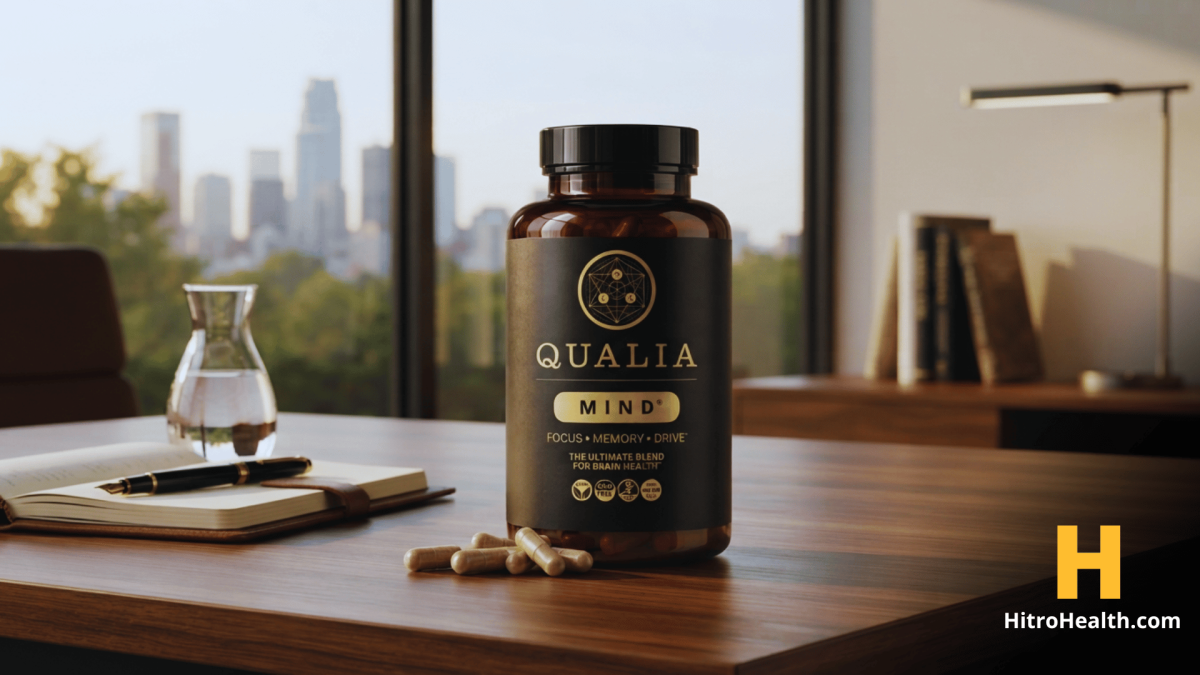
Qualia Mind takes the broadest ingredient approach of any product on this list. With 32 ingredients, it covers more neurological pathways in a single supplement than any other formula here, and several of those ingredients are directly relevant to brain blood flow.
Ginkgo biloba is included at 120 milligrams, standardized to the same extract profile used in clinical research, placing it at the lower boundary of the most studied effective range for this ingredient. The B vitamin complex including B6, B12, and folate supports healthy homocysteine metabolism, directly addressing vascular health in the brain through the same pathway targeted by Mind Lab Pro’s B vitamin trio.
Citicoline is present at 50 milligrams via Cognizin. It is worth noting clearly that this dose is considerably lower than what most citicoline studies have used to produce measurable effects, which typically runs from 250 to 500 milligrams daily. At 50 milligrams, the citicoline inclusion in Qualia Mind is unlikely to deliver the same magnitude of blood flow and acetylcholine support that a higher dose would provide.
Acetyl-L-carnitine at 500 milligrams is a meaningful inclusion that addresses brain blood flow from a different angle than the other ingredients. Rather than increasing the volume of blood reaching neural tissue, acetyl-L-carnitine supports mitochondrial energy production inside neurons, helping brain cells extract more metabolic value from the blood flow they are already receiving. This is a complementary mechanism rather than a direct circulation driver.
The practical considerations for Qualia Mind are significant and worth addressing directly. It requires up to six capsules per day taken in the morning, contains 100 milligrams of caffeine sourced from Coffeeberry and guarana, and recommends a five-days-on, two-days-off cycling schedule rather than straightforward daily use. For buyers who want a simpler daily protocol without cycling and without stimulants, and who want equivalent or stronger blood flow coverage from a more targeted formula, Mind Lab Pro delivers that more cleanly. Qualia Mind’s value proposition is breadth, covering more total pathways than any other product on this list, but that breadth comes with complexity in the usage protocol and some compromises on individual ingredient doses.
What to Look For When Choosing a Nootropic for Brain Blood Flow
Before purchasing any supplement in this category, a few evaluation criteria are worth applying consistently.
Mechanistic specificity matters. Brain blood flow is not improved by every nootropic ingredient. Look for formulas that include compounds with documented vasodilatory or vascular health mechanisms, specifically ingredients like maritime pine bark extract, ginkgo biloba, panax ginseng, citicoline, and B vitamins targeting homocysteine.
Dose relevance matters as much as ingredient presence. An ingredient included at a clinically meaningless dose is not delivering the benefit the research demonstrated. Always check whether the dose on the label aligns with the amounts used in the studies behind the ingredient.
Label transparency is a baseline standard. Products using proprietary blends that hide individual ingredient doses make it impossible to assess dose relevance. Full transparency is a minimum requirement for any serious evaluation.
Consistency over time determines outcomes. Brain blood flow benefits from the ingredients in these products build over weeks and months of regular use rather than producing immediate acute effects. Whatever product you choose, daily consistency at a real dose over a meaningful time period is the variable that determines whether you actually experience the benefits the research supports.