
Performance Lab Omega-3 Review – Best Omega-3 in 2026?
November 12, 2026If you have dry, gritty, burning eyes, you have probably tried artificial tears, warm compresses, and expensive eye drops, only to realize they only offer temporary relief.
The discomfort of dry eye syndrome can be persistent and frustrating, affecting everything from your ability to work at a computer to your enjoyment of everyday activities like reading or watching television.
The problem is that dry eye is not just a surface issue. It is often driven by inflammation and an imbalance in the oils that make up your tear film. Understanding this underlying cause is essential to finding a solution that actually works rather than just masking the symptoms.
That is where Omega-3s come in. But here is the catch: most fish oils are not optimized for your eyes. The specific ratio of fatty acids, the form of the oil, and the purity of the product all matter significantly when it comes to eye health.
Today, I am breaking down why Performance Lab Omega-3 is the one I recommend to most people, the exact science behind it, and the one thing you need to know if your dry eye is severe.
Understanding Dry Eye Syndrome
Before diving into the specific product, it is important to understand what dry eye actually is and why it is more complicated than simply needing more moisture on the surface of your eye.
The Tear Film: More Than Just Water
Your tear film is a complex, three-layer structure that coats the surface of your eye with every blink. The innermost layer is mucin, which helps tears adhere to the eye. The middle layer is aqueous, which provides moisture and nutrients. The outermost layer is lipid (oil), which seals the tear film and prevents evaporation.
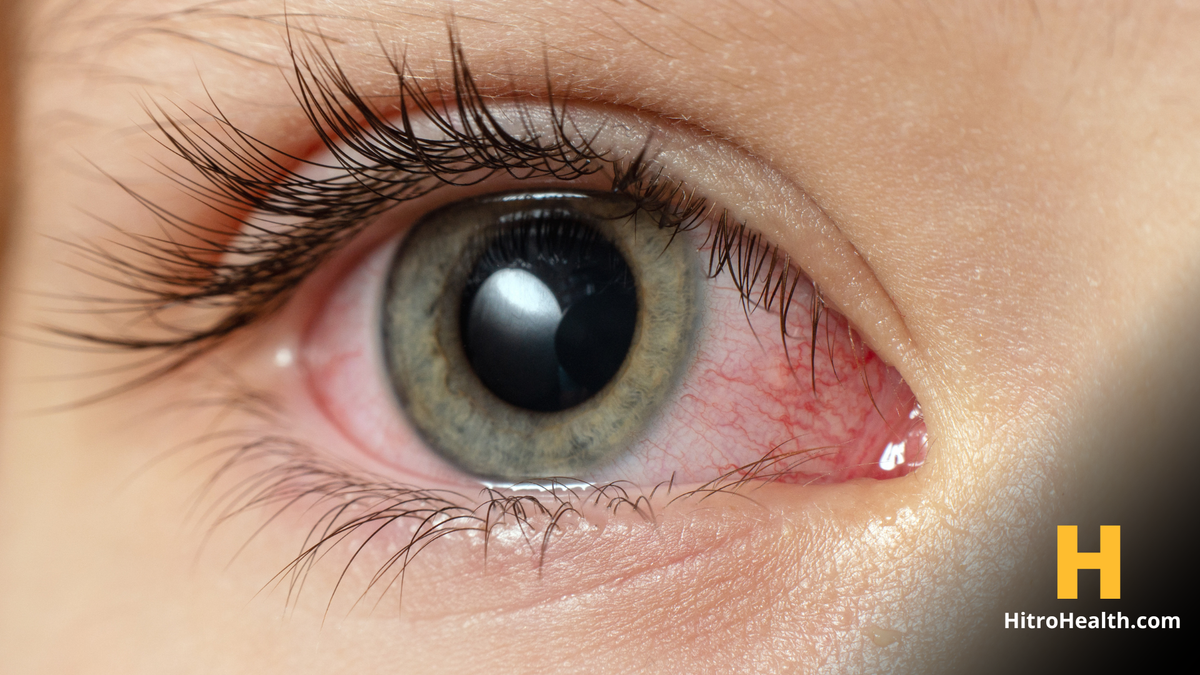
When any of these layers is compromised, dry eye symptoms occur. The most common issue is a deficiency in the lipid layer, which is produced by the meibomian glands, tiny oil glands along your eyelids. When these glands do not function properly, tears evaporate too quickly, leaving your eyes feeling dry and irritated even if you produce enough tears.
Inflammation: The Root Cause
Chronic dry eye is often driven by inflammation. When the ocular surface becomes irritated, it triggers an inflammatory response that can damage the cells that produce tears and oils. This creates a vicious cycle: inflammation causes dry eye, and dry eye causes more inflammation.
Addressing this underlying inflammation is essential for long-term relief. This is where Omega-3 fatty acids come in. They have well-documented anti-inflammatory properties and can help break the cycle of inflammation that perpetuates dry eye symptoms.
The Role of DHA and EPA
Omega-3 fatty acids are divided into two main types: EPA (eicosapentaenoic acid) and DHA (docosahexaenoic acid). Both are important, but they serve different functions in the body.
EPA is primarily involved in reducing inflammation. It competes with arachidonic acid, a pro-inflammatory omega-6 fatty acid, for the enzymes that produce inflammatory signaling molecules. By increasing EPA intake, you can shift the balance toward less inflammation.
DHA is a structural component of cell membranes, particularly in the retina and the brain. It is essential for maintaining the health and function of photoreceptor cells in the eyes. DHA also plays a role in the meibomian glands, helping them produce healthy oils that form the lipid layer of the tear film.
For dry eye specifically, both EPA and DHA are important, but the ratio matters. Many eye health experts recommend a formula that is higher in DHA to support the structural health of the eye, alongside sufficient EPA to address inflammation.
The Problem With Standard Omega-3s for Dry Eyes
Before we look at what Performance Lab is doing right, we need to talk about why most standard Omega-3 supplements fail when it comes to dry eye. Understanding these common pitfalls will help you appreciate why choosing the right supplement matters so much.
Skewed Toward EPA or Underdosed DHA
Most budget fish oils on the market have three major problems. First, they are often heavily skewed toward EPA, or they simply underdose DHA. Now, EPA is fantastic for general inflammation, which is a root cause of dry eye. It is an essential part of any Omega-3 formula for eye health.
But your eyes have a unique structural requirement. The retina and the meibomian glands, the tiny oil glands along your eyelids that keep your tears from evaporating, rely heavily on DHA to maintain a healthy tear film. DHA is incorporated into the cell membranes of these tissues and is essential for their proper function.
If your supplement does not give you enough DHA, you are missing the specific building block your eyes need. You might be reducing inflammation with EPA, but you are not providing the structural support that the eyes require for long-term health and comfort.
Oxidation and Inflammation
Second, many fish oils are oxidized. If the oil is rancid, it actually causes inflammation in your body, which is the exact opposite of what you want when your eyes are burning. Oxidized oils introduce free radicals that can damage cells and trigger inflammatory pathways.
The problem of oxidation is widespread in the fish oil industry. Many products sit on shelves for months or years, and the oil can oxidize over time. Cheaper products may use low-quality oil that is already oxidized before it is even encapsulated. Without third-party testing for oxidation, there is no way to know whether the oil you are taking is fresh and effective or rancid and potentially harmful.
Heavy Metal Contamination
And third, many budget fish oils are contaminated with heavy metals, which is the last thing you want circulating in your bloodstream. Fish can accumulate mercury, PCBs, dioxins, and other environmental toxins in their tissues. Without proper purification, these contaminants can end up in the final product.
If you are taking a cheap fish oil, you are likely dealing with underdosed DHA, oxidized oils, and potential contaminants. For eye health specifically, these problems are particularly concerning because the eyes are highly sensitive organs with a rich blood supply.
What Makes Performance Lab Omega-3 Different
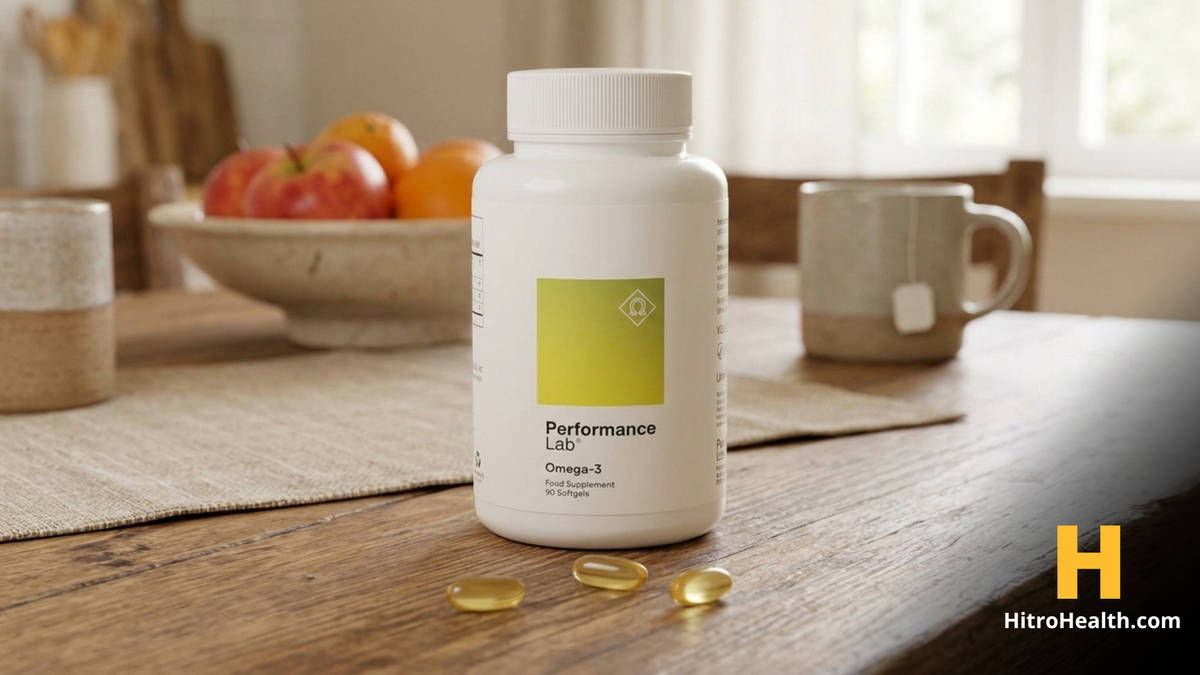
This is exactly where Performance Lab takes a completely different approach. By addressing the root causes of the problems with standard fish oil, they have created a product that is specifically suited for eye health.
Algal Oil: The Original Source of Omega-3
Instead of fish oil, Performance Lab uses algal oil sourced from life’sOMEGA. This is the original source of Omega-3. Fish do not actually produce Omega-3s; they get them by eating algae. The Omega-3s accumulate in fish tissues because they consume algae throughout their lives.
By going straight to the source, you get all the benefits without the environmental impact, the heavy metal risk, or the fishy burps. Algal oil is grown in controlled environments, free from the contaminants that can accumulate in wild fish. This means you get a cleaner, purer product without the need for extensive purification processes.
More importantly for dry eyes, the formula is specifically designed with a 2:1 DHA to EPA ratio. Each serving delivers 540 mg of DHA and 270 mg of EPA.
That DHA-heavy ratio is not random. It is tailored to support the structural health of your retina and the function of your meibomian glands, which is exactly what you need for comfortable, lubricated eyes. The higher DHA content ensures that your eyes are getting the specific building blocks they need to maintain a healthy tear film.
Natural Triglyceride Form for Optimal Absorption
The oil is also delivered in a natural triglyceride form. This is the form your body absorbs most efficiently, so you are actually getting the nutrients into your system, not just flushing them out.
As discussed earlier, many cheaper fish oils use ethyl ester form, which requires conversion in the body before absorption. This conversion process is inefficient, meaning you absorb less of the Omega-3s you are paying for. The triglyceride form in Performance Lab’s product bypasses this conversion step, allowing your body to absorb and utilize the fatty acids more effectively.
For eye health specifically, this improved absorption is critical. The Omega-3s need to reach the eye tissues to have their beneficial effects. If they are not well absorbed, they cannot do their job.
The Ingredient Breakdown
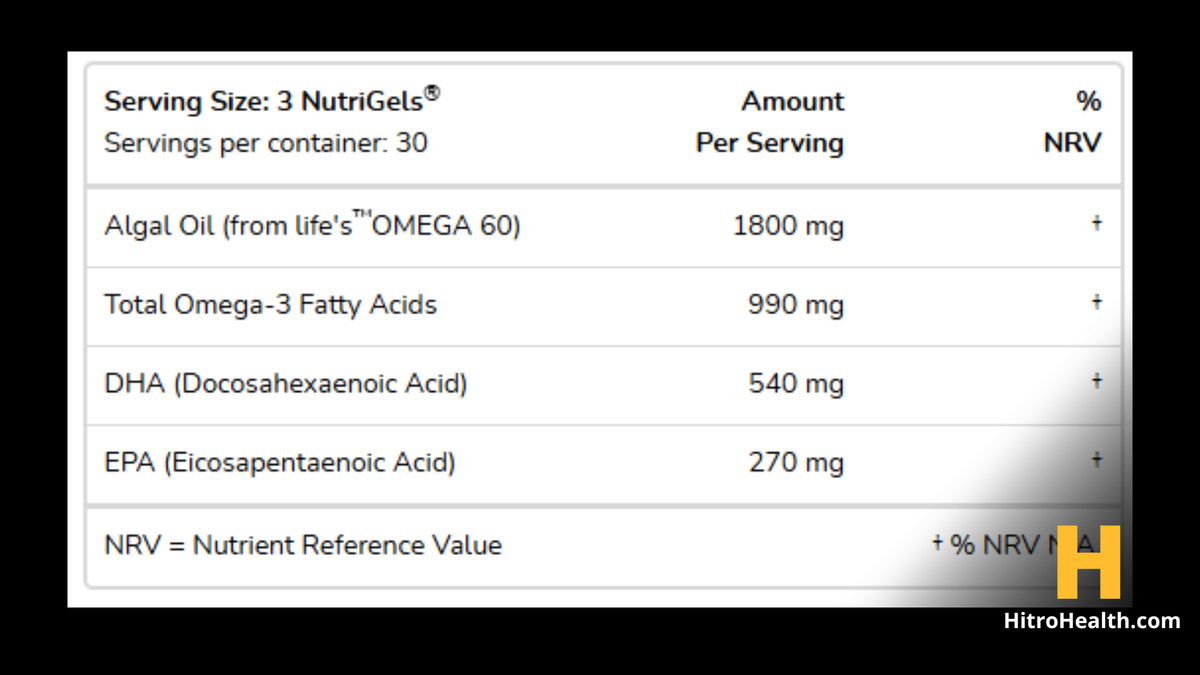
So, what is actually inside the bottle? Let us take a closer look at the label and what each component does.
Total Omega-3 Content
Each serving delivers 990 mg of total Omega-3s, featuring 810 mg of active EPA and DHA. That is 540 mg of DHA and 270 mg of EPA.
The 2:1 DHA to EPA ratio is specifically designed for eye health. DHA is the primary structural fatty acid in the retina, making up about 50% of the total fatty acids in the photoreceptor outer segments. It is essential for maintaining the fluidity and function of these membranes, which are critical for vision.
DHA is also important for the meibomian glands, which produce the oil that coats the surface of the eye and prevents tears from evaporating. Research has shown that DHA supplementation can improve meibomian gland function and reduce symptoms of dry eye.
EPA complements DHA by addressing inflammation, which is a major driver of dry eye symptoms. By reducing inflammation, EPA helps break the cycle that perpetuates dry eye and allows the eyes to heal.
Vegan Delivery System
It is 100 percent vegan. The delivery system uses NutriGels, which are carrageenan-free softgels made from tapioca. There are no synthetic fillers, no hidden blends, and absolutely no fish.
For people who are vegan or vegetarian, or who have fish allergies, this is a significant advantage. Many fish oil supplements are not suitable for these individuals, but Performance Lab’s algal oil formula is accessible to everyone.
The tapioca-based softgels are also designed to be gentle on digestion, reducing the likelihood of nausea or discomfort that some people experience with fish oil capsules.
Quality, Testing, and Certifications
When it comes to eye health, purity is non-negotiable. You do not want heavy metals or oxidized oils anywhere near your system. The eyes are highly sensitive organs with a rich blood supply, making them particularly vulnerable to the effects of toxins and inflammation.
Third-Party Testing
Performance Lab is very serious about quality control. Every single batch of their Omega-3 is third-party tested for oxidation and purity. This means an independent lab is verifying that the oil is fresh and free from harmful contaminants.
The oxidation testing is particularly important for eye health. Oxidized oils can cause inflammation, which is the opposite of what you want when your eyes are already irritated. Third-party testing provides assurance that the oil in Performance Lab’s product is fresh and effective.
Purity testing checks for heavy metals, pesticides, and other contaminants. While algal oil is naturally cleaner than fish oil, testing still provides assurance that the product meets strict safety standards.
Clean Label Project Certification
The product is also validated by the Clean Label Project. While it does not carry an NSF or USP seal, the Clean Label Project certification is a rigorous independent standard that screens heavily for heavy metals, pesticides, and plasticizers. If your priority is avoiding hidden environmental toxins, this is one of the cleanest formulas you can buy.
The Clean Label Project tests for over 130 different contaminants, making it one of the most comprehensive purity certifications available. For eye health specifically, this level of testing provides confidence that the product will not introduce harmful substances into your system.
The Dosing Strategy
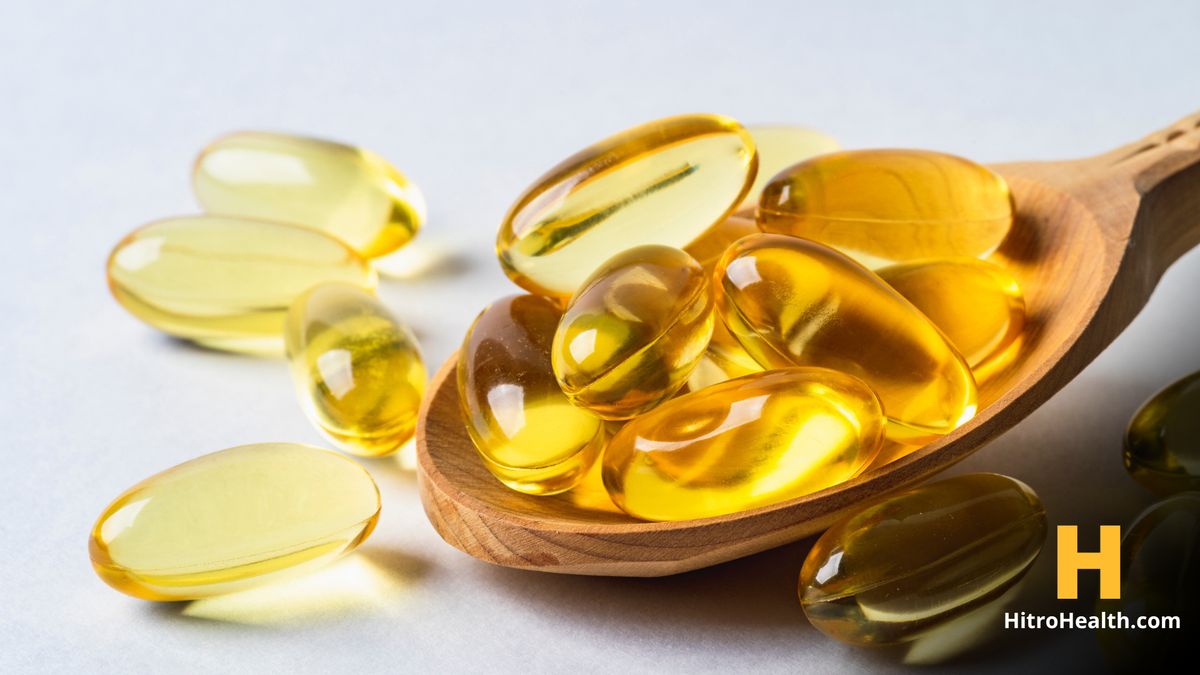
The serving size is three softgels per day. The brand recommends taking them with a meal that contains some fat, because Omega-3s are fat-soluble and absorb much better that way.
Why Three Softgels?
Taking three softgels rather than one large capsule allows you to spread the dose throughout the day, which improves absorption. It also means the softgels can be smaller and easier to swallow, since the dose is divided across multiple capsules.
The three-softgel serving also allows for flexibility in dosing. If you want a higher dose, you can take more softgels. If you want a lower dose, you can take fewer. This flexibility is useful for people who want to adjust their intake based on their specific needs.
Price and Value
At $49 for a 30-day supply, it works out to roughly $1.63 per day. That is more than a budget fish oil from the pharmacy. But you are paying for a clean, sustainable, vegan formula that is specifically designed for absorption and purity.
And if you use the Smart Subscription option, you can drop that price down even further. For many people, the subscription option makes this product accessible on an ongoing basis.
Compared to prescription dry eye treatments, which can cost hundreds of dollars per month, this price point is reasonable. And unlike artificial tears that provide only temporary relief, Omega-3 supplementation addresses the underlying causes of dry eye.
Things to Consider Before Buying
Now, while this is an incredible product, no supplement is a perfect fit for everyone, and I need to be completely honest with you about two things.
Patience Is Required
First, you need to be patient. Omega-3s are not an overnight fix. It typically takes 6 to 12 weeks of consistent daily use for the oils to actually incorporate into your meibomian glands and change your tear film.
You have to be consistent to see the results. Taking the supplement sporadically will not produce the same benefits as taking it every day. The Omega-3s need time to build up in your tissues and exert their effects on the meibomian glands and the ocular surface.
This is different from artificial tears, which provide immediate but temporary relief. Omega-3s work gradually to improve the underlying health of your eyes, but the results are more lasting.
Dosage Considerations for Severe Dry Eye
Second, we need to talk about the dosage. The clinical research on Omega-3s for severe dry eye often uses much higher doses. Some of the most successful studies use around 2,000 mg of combined EPA and DHA per day to significantly reduce inflammation.
Performance Lab delivers 810 mg of combined EPA and DHA per serving. That is an excellent daily foundation for long-term eye health, and it is perfect for prevention and mild to moderate dryness.
But if you have severe, chronic dry eyes or if your eye doctor has told you to take a high-dose Omega-3 regimen, you may need a heavier clinical dose to put out the fire. In that case, I would point you toward a clinician-formulated option like PRN De3 or Nordic Naturals ProOmega. These deliver over 2,000 mg of combined EPA and DHA per serving, with a heavy emphasis on EPA to aggressively target severe inflammation.
Both are excellent for severe cases, but they are fish-derived, not vegan, and they are significantly more expensive. They are also more specifically targeted at therapeutic intervention rather than daily maintenance.
Who Is This For?
So, who should actually buy this?
Ideal Candidates
Performance Lab Omega-3 is perfect for you if you want a clean, vegan, highly bioavailable supplement that is gentle on your stomach and specifically formulated to support the structural health of your eyes.
It is ideal if you have mild to moderate dry eye, if you wear contacts, if you spend a lot of time in front of screens, or if you simply want a high-quality daily Omega-3 that does not smell or taste like fish.
It is particularly well-suited for:
- People with mild to moderate dry eye who want a natural approach to supporting eye health
- Contact lens wearers who experience discomfort from dryness
- People who spend long hours in front of screens and experience digital eye strain
- Vegans and vegetarians who want a reliable source of DHA and EPA for eye health
- People with fish allergies who cannot take traditional fish oil supplements
- Anyone who experiences fishy burps or digestive discomfort with standard fish oil
- Environmentally conscious consumers who want to avoid contributing to overfishing
Who Should Look Elsewhere
You should skip this and look at a higher-dose clinical formula if you have severe, chronic dry eye that has been diagnosed by a doctor and requires a therapeutic dose. In those cases, a product with 2,000 mg or more of combined EPA and DHA per serving, like PRN De3 or Nordic Naturals ProOmega, would be more appropriate.
It is also worth noting that while this product provides excellent support for eye health, it is not a substitute for medical treatment if you have a diagnosed eye condition. Always consult with your eye doctor before starting any supplement regimen, especially if you have severe or chronic dry eye.
Final Verdict
Overall, Performance Lab Omega-3 is one of the most thoughtfully designed Omega-3 supplements on the market for eye health. It is not the cheapest, but the quality of the algal oil, the DHA-heavy ratio, the natural triglyceride form, and the commitment to clean-label purity are genuinely hard to beat.
Summary of Key Features
- Algal oil sourced from life’sOMEGA for a sustainable, vegan-friendly product
- 2:1 DHA to EPA ratio specifically designed to support eye health
- 990 mg total Omega-3s per serving with 540 mg DHA and 270 mg EPA
- Natural triglyceride form for optimal absorption and bioavailability
- 100% vegan NutriGels made from tapioca for gentle digestion
- Third-party tested for oxidation and purity
- Clean Label Project certified for heavy metals, pesticides, and plasticizers
- Transparent labeling with no proprietary blends
- Competitively priced at around $1.63 per day (or less with subscription)
The Bottom Line
If you want an Omega-3 that prioritizes eye health, absorption, and purity, and the price fits your budget, it is an excellent choice. The algal oil approach solves many of the problems associated with traditional fish oil, and the DHA-heavy ratio is specifically tailored to support the structural health of your eyes.
The main drawbacks are the price, the three-softgel daily serving, and the fact that it may not be sufficient for severe dry eye. If those are dealbreakers for you, there are other options available. But if you are willing to invest in a higher quality product that addresses the common problems with Omega-3 supplements, this is one of the best choices on the market for dry eye support.
For most people with mild to moderate dry eye who want a clean, vegan, well-absorbed Omega-3 supplement, Performance Lab Omega-3 is the standout choice.
That’s it for this review.
If you found it helpful, be sure to check out my comparison of the Top 5 Omega-3 Supplements for more options. Whether you choose Performance Lab or another product, the most important thing is to find a high-quality Omega-3 that you will take consistently. Your eyes will thank you.